
Jump to the main content block

Department

                NUCL

 
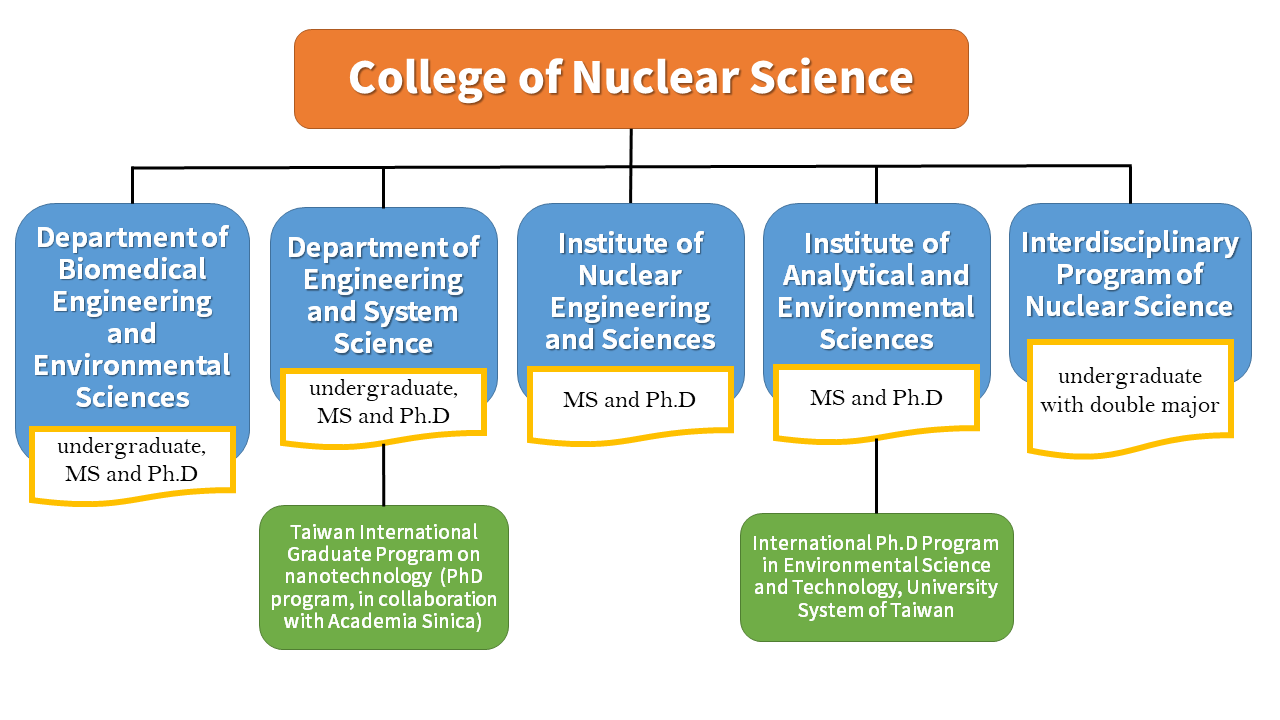
Department of Engineering and System Science


    Website: http://www.ess.nthu.edu.tw/


The department was established in 1964. Its original name was "The Department of Nuclear Engineering". We offer programs leading to the B.S., M.S. and Ph.D. degrees. For the past 40 years, we have developed more than 3,500 students with solid engineering background. The department is one of the leading multi-disciplinary engineering programs in Asia now.
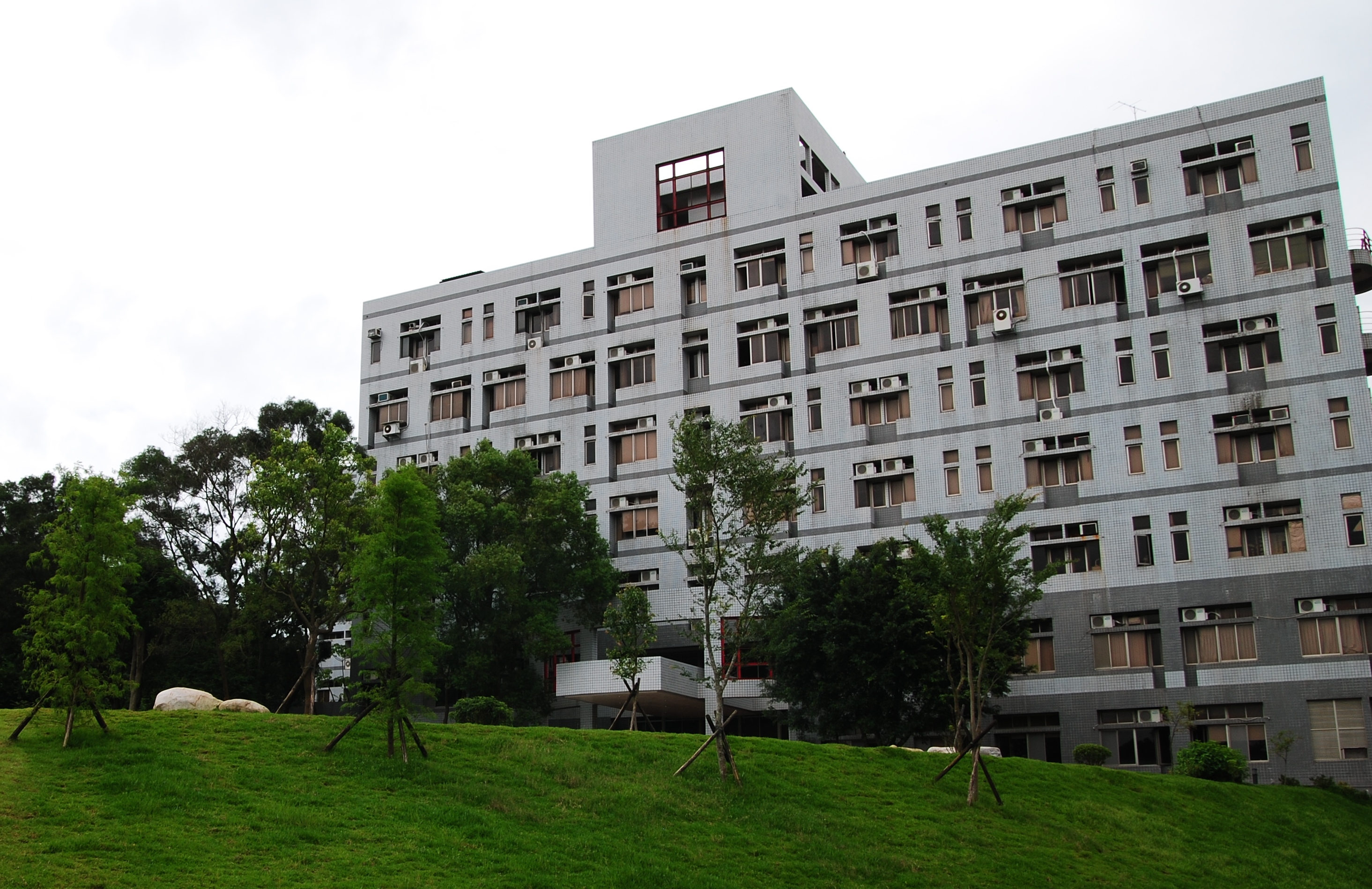
 
Currently the department has around 40 faculty directing advanced research, and offering undergraduate and graduate courses. Courses and research focus on three major areas, including Nano-technology & MEMS, Nuclear & Energy Engineering and Engineering Physics. Research within these three groups is vibrant and attracts more than $3 million USD investment each year. NTHU ESS attracts excellent students, and our graduates are sought by industry and commerce around the world.
 
For more information, please see the ESS brochure.


Department of Biomedical Engineering and Environmental Sciences

 
The Institute of Nuclear Science, the predecessor of the Department of Nuclear Science was the first institute when Tsing Hua University was re-established in Taiwan in 1956. A Ph.D. program was added later in 1987. The Department of Nuclear Science was established in 1992 to also provide undergraduate teaching and additional research programs. In 2006, the department name was changed to Department of Biomedical Engineering and Environmental Sciences (BMES) to reflect the specialty of faculty members and teaching programs. A total of 1636 students have graduated from this department, including 1064 M.Sc., 94 Ph.D., and 478 B.Sc. graduates. Currently, the department has 87 Ph.D. students, 90 M.Sc. students, and 197 B.Sc. students.


Institute of Nuclear Engineering and Science


    Website: http://www.nes.nthu.edu.tw/

The Institute of Nuclear Science was the only institute when National Tsing Hua University (NTHU) was relocated to Hsinchu in northern Taiwan in 1956.  In 1964, the Department of Nuclear Engineering began to recruit students.  Due to the transition of the space-time environment, nuclear energy declined around the world between 1980 and 2000, and the domestic market of nuclear power was also undergoing a period of recession.  Considering the influence of a department's name on the students, the name of the Department was changed to the Department of Nuclear Engineering and Engineering Physics in 1995 and then changed again to the Department of Engineering and System Science in 1997.  At that time, all of the faculty members in the Department agreed that regardless of name changes, the fundamental goal of training professional nuclear engineers and scientists would never change.  When the proper opportunity arises, we will aggressively resume recruiting students in order to cultivate more professional nuclear engineers.
 
Due to recent changes in the supply and demand of global energy sources, oil and gasoline prices have been rising rapidly.  Furthermore, every country in the world is facing increasing pressure to reduce their carbon dioxide emissions under the Kyoto Protocol.  In light of this, nuclear power is playing a more important role and most likely will continue to until renewable energy sources become more economical and widely available.
 
In 2007, the Institute of Nuclear Engineering and Science was re-established in order to undertake the goal of teaching the new generation of students to become professional nuclear engineers and scientists.  The Institute currently has 25 full-time faculty members, including 17 adjunct professors affiliated with the College of Nuclear Science and one researcher affiliated with the Nuclear Science and Technology Development Center.  The Institute has been offering master and doctoral programs since 2007 and 2008, respectively.  Currently, there are 45 and 37 students pursuing their master and doctoral degree, respectively, in the Institute.


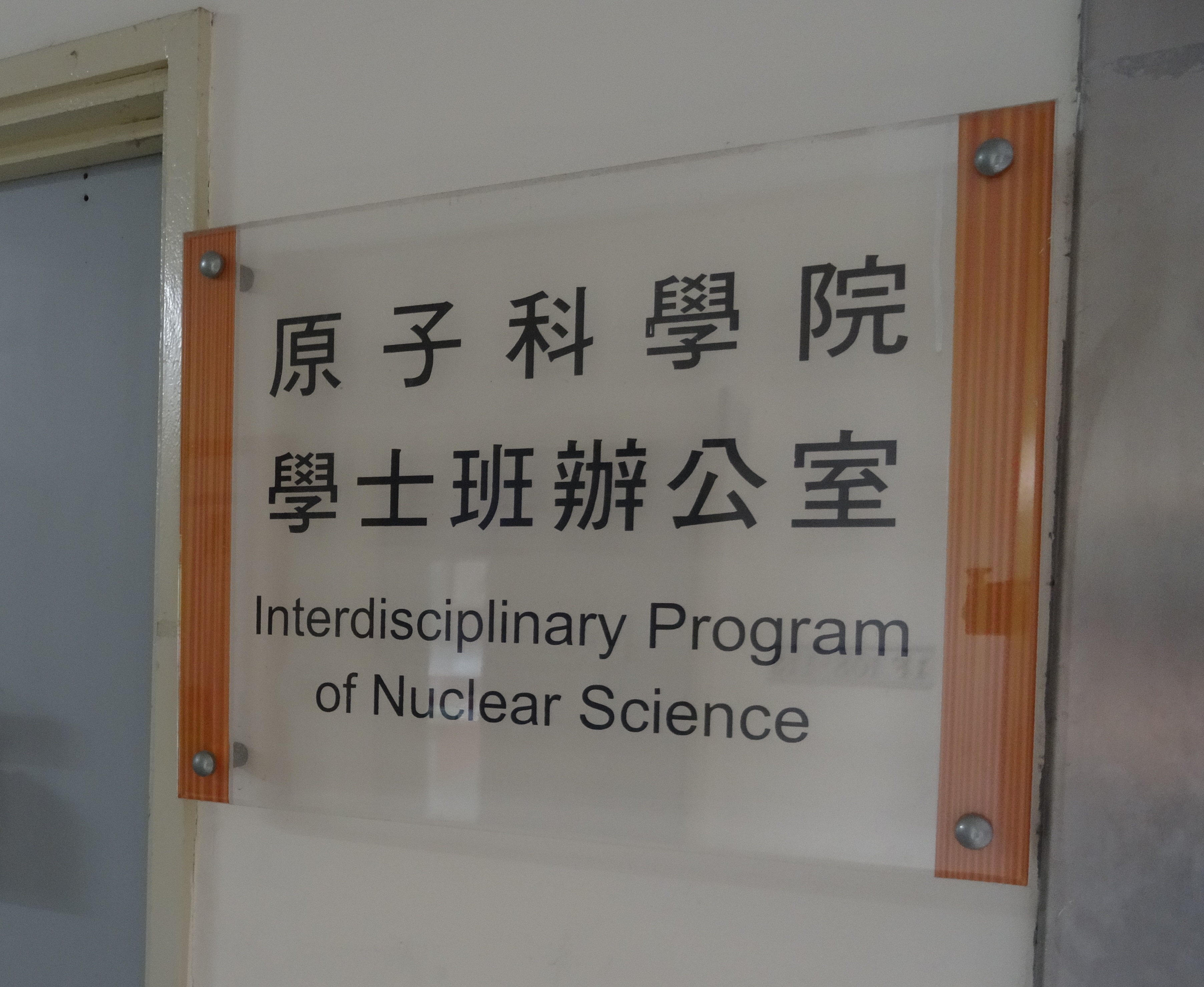
Interdisciplinary Program of Nuclear Science


    Website: https://ipns.site.nthu.edu.tw/

Energy and environment are the most important issues in the 21st century. To meet the world trend and the need of social development in Taiwan, the College founded Interdisciplinary Program of Nuclear Science (IPNS) in 2009. Each year, IPNS enrolls 20 undergraduate students and allows students to possess two fields of knowledge as their dual specialties.

 
Being a double-specialty design, IPNS provides education about low carbon energy such as nuclear, solar and hydrogen energy as well as sustainable environment for undergraduate students as their first specialty. Besides, students can also develop their second specialty from any core courses provided by the other departments in NTHU, based on their interests. The objective is to provide an interdisciplinary education for competitive students.


Click Num:
Login Success